
Neighbourhood picks
A Slow Morning at Kumbalangi's Farms: What to Expect
Kumbalangi, the island village twenty minutes south of Kochi's centre, rewards an early start — here is how the morning actually runs, from the pokkali fields to the crab nets.
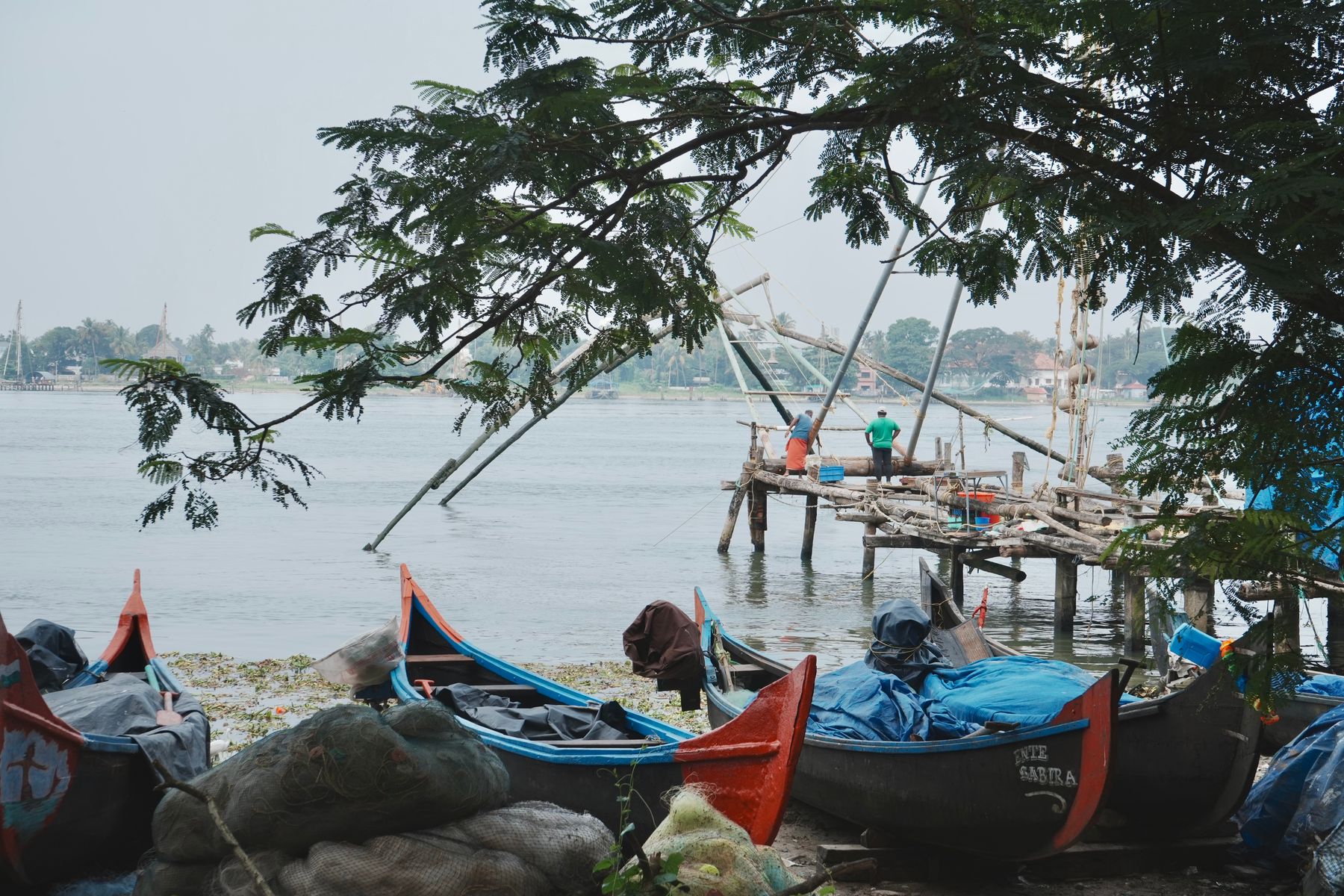
Getting There Before the Heat
Kumbalangi sits on a cluster of islands between the Vembanad backwaters and the Arabian Sea, roughly 15 km south of Ernakulam. From Fort Kochi the drive via Thoppumpady and the Aroor bridge takes about 35 to 45 minutes in light traffic; from Ernakulam Junction station allow 40 minutes. Drivers usually park near the Kumbalangi panchayat office or the model tourism village gate. Aim to arrive by 7.30am — the light is soft, the fish auctions are finishing and the heat has not yet built up. Skip Sundays if you want quiet; local families are out in numbers.
The last stretch narrows to a single lane between coconut palms and Prawn gheries, so a taxi is easier than a bus. KSRTC and private buses from Ernakulam's Kaloor bus stand run towards Kumbalangi junction, but you will still need a short auto-rickshaw ride to reach the fields. Book a driver for the full morning rather than trying to hail one on the way back — phone signal is patchy among the paddy. November to February is the comfortable window; by March the humidity is heavy by 9am and the monsoon from June closes many farm walks entirely.
What a Farm Walk Actually Involves
The signature landscape here is pokkali — paddy grown in brackish water that rises and falls with the tides, rotated with prawn and shrimp farming in the same fields. A guided walk of two to three hours typically crosses the bunds between paddies, passes a few traditional Chinese fishing nets operated by hand, and pauses at a small holding where coconuts are climbed and toddy is tapped. Expect soft, muddy paths: closed shoes you do not mind dirtying are essential, and sandals will sink.
Guides are usually local fishermen or farm families working through the Kumbalangi model tourism programme, and a group walk generally costs a modest per-person fee arranged in advance through your hotel or the village tourism office. Ask specifically whether crab netting and a toddy-tapping demonstration are included, since not every walk covers both. Groups are kept small, and you will spend more time standing quietly watching than walking fast. If you want photography without a crowd, request the first slot of the day — around 7am — when the water is glassy and the ducks are being moved.
Wildlife, Food and the Rest of the Morning
Birders should bring binoculars. The backwater edges and the mangrove patches near the Aroor side hold kingfishers, egrets, herons and, in the cooler months, migratory species passing through the Vembanad wetland system. The mangrove boardwalk and the small mangrove nursery are worth twenty minutes, and the view across to the Willingdon Island shipping channel gives a sense of how close the city really is. There is a modest entry charge at some of the maintained sites; carry small cash notes.
Breakfast is the reward. Village kitchens serve appam with stew, puttu with kadala curry, or idiyappam with fish moilee, and Karimeen — pearl spot — is the local speciality if you are eating later in the day. Vegetarian options are easy to find; say so when you book. The village is dry in the sense that toddy is a farm product rather than a bar scene, and there is no nightlife. Most visitors are back in Fort Kochi or Ernakulam by 11am, which leaves the afternoon free for Mattancherry's Palace Road or a harbour ferry.
Where to Base Yourself
I would not stay in Kumbalangi itself unless you specifically want a homestay among the backwaters; the accommodation is limited and you lose the restaurants and ferries of the city. Base in Fort Kochi for the heritage streets, the Chinese fishing nets at Vasco da Gama Square and easy access to the Vypin and Willingdon Island ferries — the drive south to Kumbalangi is straightforward from there. Ernakulam suits travellers arriving by train at Ernakulam Junction or by air via Cochin International Airport at Nedumbassery, about 45 km and an hour's drive north.
Marine Drive and the Kaloor area give you modern hotels, easy taxis and quick access to the Aroor bridge road, which is the fastest route down. If your priority is a single slow morning rather than beach time, two nights in Fort Kochi is plenty and lets you pair the farm walk with a Kathakali performance and a backwater ferry. Book your hotel before you confirm the farm slot, since the earliest walks fill first in December and January, when Kochi's weather is at its best and rooms in Fort Kochi tighten up.
Where to stay
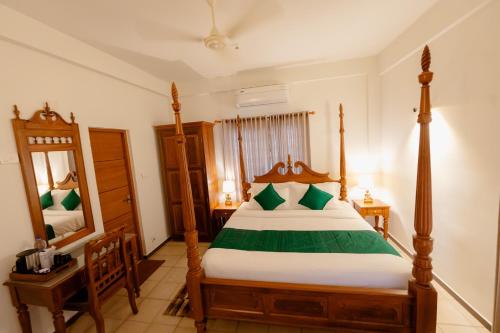
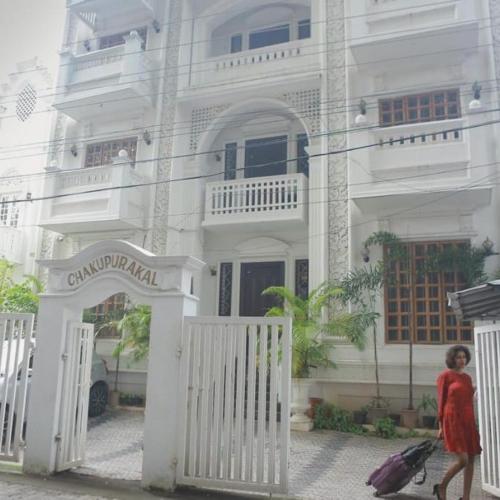
Hotels in Fort Kochi
Good to know
Questions, answered
How long does the drive from Fort Kochi to Kumbalangi take?
Around 35 to 45 minutes via Thoppumpady and the Aroor bridge, depending on traffic. From Ernakulam Junction station allow 40 minutes. Leaving by 7am avoids the worst of the morning flow on the bridge road.
What should I wear for a Kumbalangi farm walk?
Closed shoes you do not mind getting muddy, light long trousers and a hat. Paths between the pokkali fields are soft and often wet. Carry water, sunscreen and insect repellent; the mosquitoes are active near the mangroves even in the morning.
Which months are best for visiting Kumbalangi?
November to February is the most comfortable, with lower humidity and good birdlife. March and April get hot quickly. The southwest monsoon from June to August brings heavy rain and many farm walks pause, so check ahead before travelling.
Do I need to book the farm walk in advance?
Yes. Walks run through the village tourism programme and local guides, usually arranged via your hotel or the tourism office. Morning slots around 7am are limited, and December and January book up fastest, so confirm a day or two ahead.
Is Kumbalangi suitable for children?
Generally yes, and the boats and crab nets keep them interested. The walks are slow and mostly flat, though bunds can be narrow and slippery. Very young children need close supervision near the water, and the sun is strong by mid-morning.
Can I visit Kumbalangi as a day trip from Ernakulam?
Easily. A morning walk plus breakfast takes about four hours, and you can be back in Ernakulam by 11am. Booking a car for the round trip is simpler than relying on buses, which drop you at the junction and leave a short auto ride.
Where should I stay for an early Kumbalangi start?
Fort Kochi for atmosphere and ferries, or Ernakulam's Marine Drive area for modern hotels and the fastest road south. I would choose Fort Kochi for two nights and treat the farm morning as the anchor of one day.
What food should I try after the walk?
Appam with stew, puttu with kadala curry, and Karimeen — pearl spot — if you eat fish. Vegetarian breakfasts are widely available. Tell your guide your preferences when booking so the kitchen can plan ahead.
Doing good is the business
Every booking in Kochi removes one tonne of CO₂
Same hotel, same room, same live price you would pay anywhere else — IMPT funds one verified tonne of carbon removal per stay, never added to your bill.