Neighbourhood picks
Birdwatching from Kochi's Ferry Jetties: A Beginner's Plan
Kochi's backwater jetties put you within a short boat ride of herons, kingfishers and terns — here is how to plan a half-day of watching without a guide, a car or a telescope.
Why the jetties work better than a dedicated sanctuary trip
Kochi's state water-transport jetties sit on the edge of the Vembanad backwater system, where fresh water meets the sea. That brackish edge is exactly where birds concentrate: herons and egrets work the shallow margins, kingfishers use the mooring posts, and terns and gulls follow the channels. You do not need a vehicle or an entry ticket to reach this. The Ernakulam jetty near the High Court, the Vypin jetties at Fort Kochi and the smaller terminals along the islands all put you on the water within minutes of the mainland.
Compare this with a day trip to a sanctuary. That means a long road transfer each way, a fixed opening window and, often, a guide fee. From a hotel in Ernakulam or Fort Kochi, the jetty option costs you a ferry fare and a morning. The trade-off is real: you will see fewer habitat specialists than in a protected wetland. But for a first attempt at birdwatching, common species seen closely and repeatedly teach you more than a rushed checklist far from the city.
The route I would book: Ernakulam to Vypin and back
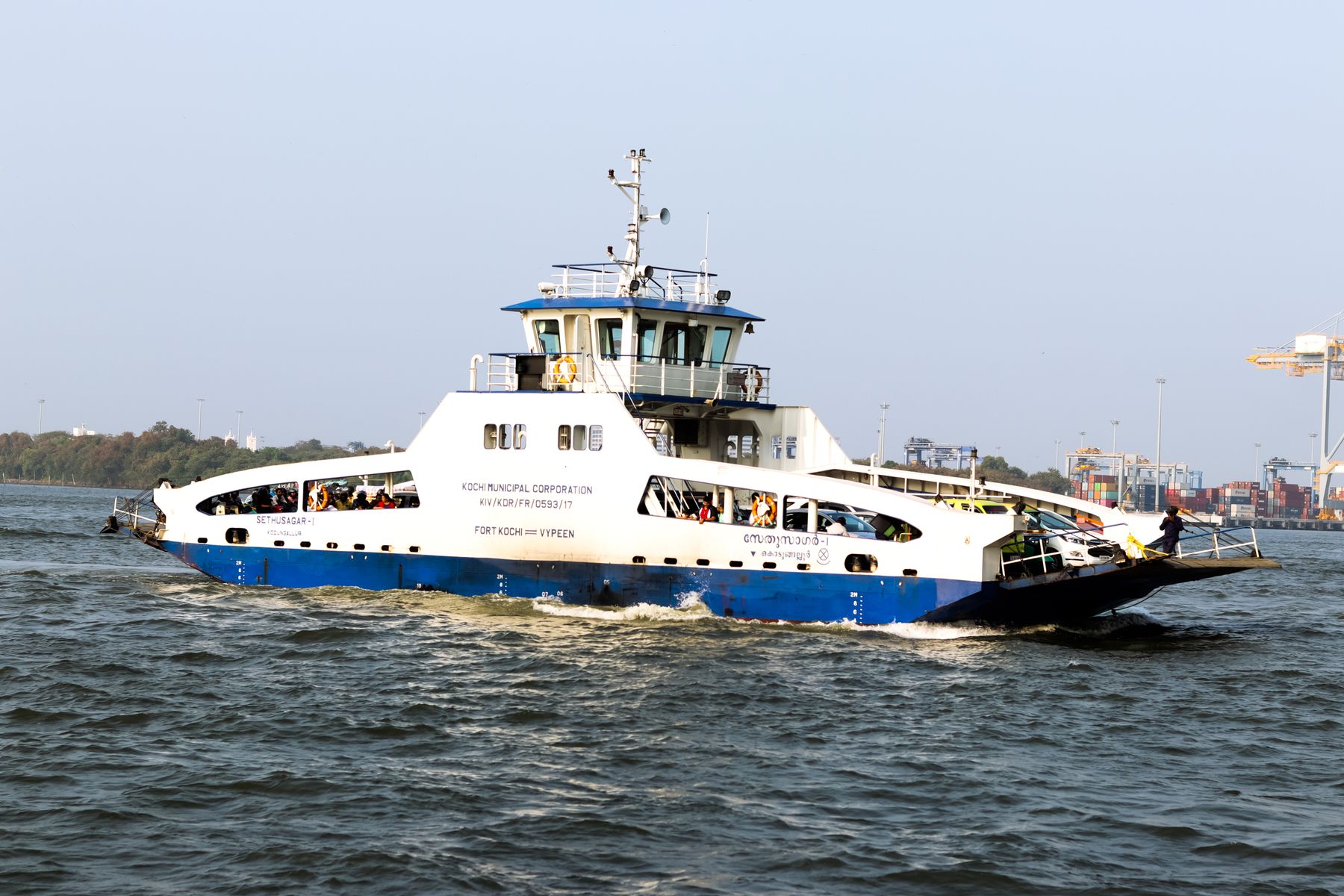
Start at the Ernakulam jetty beside the High Court around first light, roughly 6.15am in winter. Take the Vypin ferry across the channel; the crossing is short, and the boat itself is the viewing platform, so stand at the rail rather than sitting inside. From Vypin, the Fort Kochi jetty is a short hop south. Work the water's edge near the Chinese fishing nets and the ferry terminal, where egrets and herons feed along the piling. Return to Ernakulam before the heat builds, around 10am. Total spend is a few ferry fares, and no advance booking is needed.
Winter is the season to do this. November to February brings cooler mornings and the greatest variety of visiting waterbirds; March and April are hotter but still productive early. The southwest monsoon from June to August makes decks slippery and birds harder to see. Skip the middle of the day entirely in any month. If you would rather not cross to Vypin, the Marine Drive walkway in Ernakulam gives you backwater views and common waterbirds within a short walk of most central hotels.
What you will see, and what to leave alone
Expect the common and the reliable: little egrets, cattle egrets, Indian pond herons, white-throated kingfishers on wires and posts, and terns working the channel. On the Vypin side, watch the mudflats at low tide for waders. Carry binoculars if you have them; 8x42 is plenty. If not, the ferry crossings still give close views. A phone camera held steady against the rail works for larger birds. Do not feed the birds, do not approach nesting trees, and keep clear of the fishing nets and the people working them — those nets are livelihoods, not props.
Dress for a working harbour: covered shoulders, a hat, and footwear that tolerates wet decks. Morning light in Kochi is strong by 8am, so sunscreen matters more than a telephoto lens. Avoid the temptation to wander onto private jetties or fishing boats for a better angle. The public ferries and the Marine Drive walkway are sufficient. If you want a guided half-day, ask your hotel to arrange a local naturalist; a good guide will know the tide times, which matter more than any app for finding waders on the flats.
Where to stay, and how the jetties fit a longer trip
For this plan, a hotel in Ernakulam near Marine Drive or the High Court jetty is the practical choice: you can walk to the water before dawn and be back for breakfast. Fort Kochi hotels put you close to the heritage jetties and the fishing nets, but the first boat to Vypin may require an earlier start. Both areas have rooms across a range of budgets, and both connect to the airport by road, roughly an hour to an hour and a half depending on traffic. Book on the Kochi pages of this site and check the jetty distance on the map before you commit.
A jetty morning pairs well with the rest of Kochi: the Mattancherry Palace and Jew Town in the afternoon, a Kathakali performance in the evening, and a backwater cruise on a separate day. Do not try to combine birdwatching with a Munnar or Alleppey day trip — the drives eat the morning. Keep the birding local and unhurried. That is the whole advantage of watching from a ferry jetty in a city: the birds come to the commute, and you do not lose a day getting to them.
Where to stay
Hotels in Vypin
Good to know
Questions, answered
Do I need a guide to birdwatch from Kochi's ferry jetties?
No. The public ferries between Ernakulam, Vypin and Fort Kochi run on regular schedules and the crossings themselves are the viewing platform. A local naturalist helps with tide timing and identification, but for a first morning the jetties and the Marine Drive walkway are enough on their own.
What is the best time of year for birdwatching in Kochi?
November to February brings cooler mornings and the widest variety of visiting waterbirds. March and April remain productive in the early hours but heat up fast. The southwest monsoon from June to August makes decks slippery and sightings harder, so plan around the dry months if birds are the priority.
How much does a morning on the jetties cost?
Ferry fares are modest and you pay per crossing, so a morning of two or three hops is inexpensive. There is no sanctuary entry fee. Binoculars are the main optional expense; borrow or bring a pair rather than buying one in Kochi for a single trip. Check current fares at the jetty counter.
Which birds will a beginner actually see from the ferries?
Little egrets, cattle egrets, Indian pond herons, white-throated kingfishers and terns are the reliable sightings. At low tide on the Vypin side, watch the mudflats for waders. You are unlikely to find rare habitat specialists, but close, repeated views of common species make a good first lesson.
Where should I stay for an early start on the water?
A hotel in Ernakulam near Marine Drive or the High Court jetty lets you walk to the water before dawn and return for breakfast. Fort Kochi hotels are closer to the heritage jetties and fishing nets but may mean an earlier departure. Check the walking distance to the jetty before booking.
Is it safe to birdwatch alone at dawn?
The main jetties are busy with commuters and workers from early morning, which helps. Stick to public ferries and the Marine Drive walkway, keep valuables out of sight, and avoid isolated stretches of shoreline. Ask your hotel about the first ferry time and go with a companion if you are unsure.
Can I combine this with a backwater or Alleppey trip?
Do them on separate days. A backwater cruise or an Alleppey day trip consumes most of the day in transfers, leaving no useful morning light for the jetties. Keep the birding local and short, and give the longer excursions their own full day.
What should I bring for a jetty morning in Kochi?
Covered shoulders, a hat, sunscreen and footwear that handles wet decks. Bring 8x42 binoculars if you own them; a phone steadied against the ferry rail works for larger birds. Carry water, and leave the tripod at home — decks are crowded and unstable.
Doing good is the business
Every booking in Kochi removes one tonne of CO₂
Same hotel, same room, same live price you would pay anywhere else — IMPT funds one verified tonne of carbon removal per stay, never added to your bill.