
What the June–August monsoon actually does to Cherai
Cherai sits at the northern tip of Vypin Island, about 25 km and 45–60 minutes by road from Ernakulam Junction or the Ernakulam boat jetty, depending on traffic on the Palarivattom–Edapally stretch and the Vypin bridge. In June and July the Arabian Sea here is rough enough that lifeguards and local police close the water; swimming is off, and the beach is for walking, photographs and watching the rain come in across the sea. What you gain is quiet and cheaper rates at the beachfront resorts along Cherai Beach Road.
The rain is not continuous. Southwest monsoon days usually break into heavy spells of two or three hours, often overnight or in the early afternoon, with long grey gaps in between. August is wetter than many expect and September tapers into short showers. The annual Cherai-Pallipuram beach festival normally falls around late December and January, so monsoon visitors get none of that crowd or the food stalls. Bring a light rain shell and quick-dry footwear; the sand stays firm and is genuinely pleasant to walk in the drizzle.
Backwater side and how to spend a wet morning
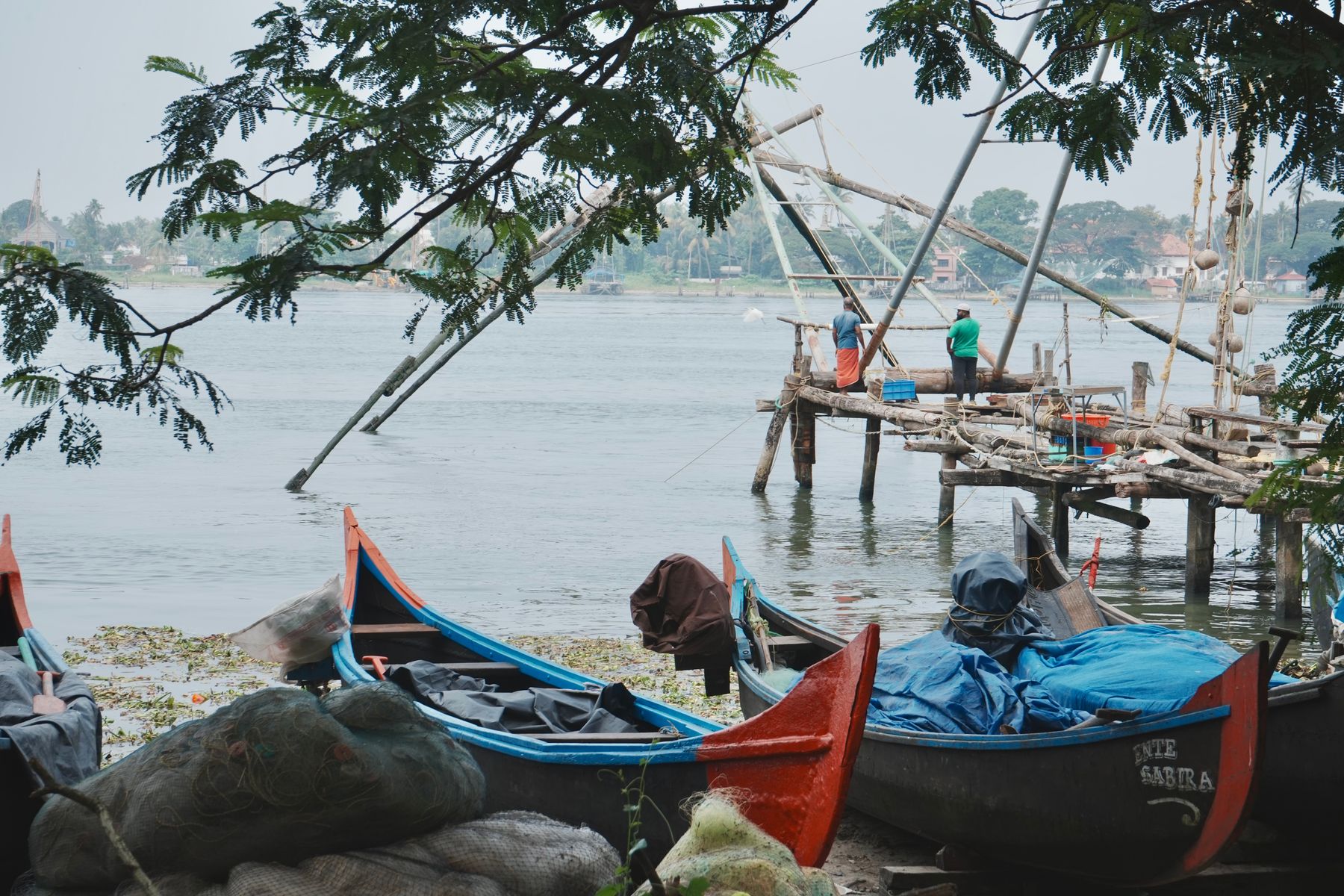
Behind the beach, the Vembanad backwater edge runs through Cherai and neighbouring Pallipuram, where boat jetties and homestays look across shallow water to the coconut-covered islands of Kumbalangi and Panangad. Monsoon is the greenest, emptiest season for a country boat ride — the channels are lined with rain-heavy palms and birds are easier to spot. Choose a smaller covered country boat rather than an open one; several operators run short Cherai–Kumbalangi loops of roughly one to two hours. Settle the fare and duration before boarding, and check whether life jackets are supplied.
For culture, the Cherai–Pallipuram area holds two worthwhile stops. Pallipuram Church, with a Portuguese-era history, sits about 1.5 km north of the main beach. The Cherai Gowreeshwara Temple is nearby on the backwater side; visitors should dress modestly and follow the local custom of removing footwear. Both are working places of worship, so keep noise low and photography respectful. Keep an eye on the rain; roads and lanes around the temple and church can flood briefly, but usually drain fast.
Where to stay: beachfront, backwater or the city side
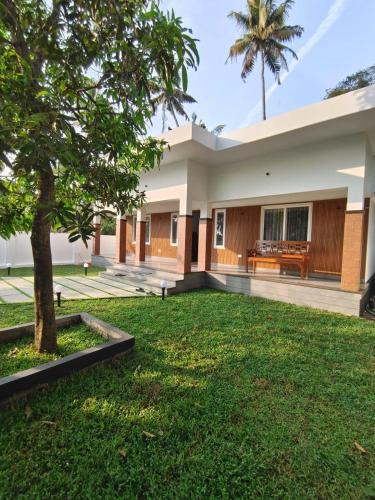
The beachfront strip on Cherai Beach Road holds the priciest and most exposed rooms; ask about a sea-view balcony and, in monsoon, about the direction of the prevailing wind. Backwater-facing homestays, mainly in the lanes off Pallipuram Road, offer calm water views, home-cooked meals and a quieter night's sleep, often for less than an equivalent beachfront room. They are a short auto-rickshaw ride from the sand. These are the stays I would choose for a first monsoon visit: the water view is more rewarding in the rain than a sea view of grey chop.
If you want a base for broader Kochi sightseeing, staying in Fort Kochi or Ernakulam makes more sense than the island. Fort Kochi, with its Dutch and Portuguese-era lanes and the Chinese fishing nets along River Road, is a heritage stay area. Ernakulam around MG Road and Marine Drive is practical and better connected by bus, ferry and rail. From Fort Kochi, a day trip to Cherai takes roughly an hour via the Vypin bridge or the ferry to Vypin and a short bus. Do not try to see both areas in a single rushed day; pick one as your base and enjoy it.
Getting around and what to skip
Cherai is reached by bus from Ernakulam's Vyttila and Kaloor bus stands, or by the ferry from Ernakulam boat jetty to Vypin and onward shuttle. For a first visit with luggage in the rain, book a taxi or app cab from the airport (roughly 1.5–2 hours with traffic) instead of wrestling bags through ferries. Local transport is a small bus network and auto-rickshaws; agree fares in advance. Roads can be slick at night, so avoid late-night cycling and stick to main routes.
Do not come in monsoon expecting swimming, sunbathing or boats out on the open sea — all of that waits for December to February, which is the best window for the beach. Skip the sunset beach plans; cloud cover hides it. Also skip the temptation to squeeze Cherai, Fort Kochi and Kumbalangi into one day. More rewarding: one slow, wet day on the island, then return to your base with a dry room booked ahead. Use the quiet season to compare Cherai options on the booking site and read recent guest notes on drainage, power backup and mosquito nets before choosing.
Where to stay
Hotels in Cherai

Good to know
Questions, answered
Is Cherai Beach safe for swimming during the monsoon?
No. In June and July the sea is usually rough and officials often close the water. Swimming is only reliably advisable in the calmer December–February season. Monsoon is a season for walking the beach, not entering the sea.
How do I get from Kochi airport to Cherai?
A taxi or app cab takes roughly 1.5–2 hours depending on traffic. By public transport, take a bus or train to Ernakulam, then a bus from Vyttila or Kaloor to Cherai, or the ferry to Vypin and a local shuttle.
Which months are the rainiest at Cherai?
June and July are usually the wettest. August remains very wet, and September tapers into shorter showers. For dry beach weather, aim for December to February, with the beach festival around late December and January.
Where is the best area to stay in Cherai?
For calm water views and quieter nights, backwater-facing homestays off Pallipuram Road are a good first choice. Beachfront rooms on Cherai Beach Road are the other option, but monsoon sea views can be grey and windy.
What is there to do in Cherai when it rains?
Take a covered country boat ride on the backwater, visit Pallipuram Church and Cherai Gowreeshwara Temple, and enjoy a slower meal. Boats are often the best wet-weather option; stay off open water when conditions are poor.
What should I pack for a monsoon trip to Cherai?
A light waterproof jacket, quick-dry shoes or sandals, a dry bag for electronics, and insect repellent. Power cuts can happen, so a small flashlight or power bank is useful. Warm-weather clothing is fine year-round.
Can I combine Cherai with Fort Kochi in one day?
It is possible but rushed. The road trip via the Vypin bridge takes about an hour each way. A better plan is to choose Fort Kochi or Cherai as a base and visit the other on a separate, unhurried day.
What should I skip at Cherai in the monsoon?
Open-sea boat rides, sunset-watching plans and long barefoot walks on dark sand after heavy rain. Skip trying to fit three areas in one day. The festival atmosphere is a December–January event, not a monsoon one.
Doing good is the business
Every booking in Kochi removes one tonne of CO₂
Same hotel, same room, same live price you would pay anywhere else — IMPT funds one verified tonne of carbon removal per stay, never added to your bill.