
Neighbourhood picks
Coastal Trees of Kochi: A Shoreline Guide for Travellers
From the coconut palms of Fort Kochi to the mangroves of Vypin, here is what you will see growing along Kochi's coast and where to base yourself to explore it.
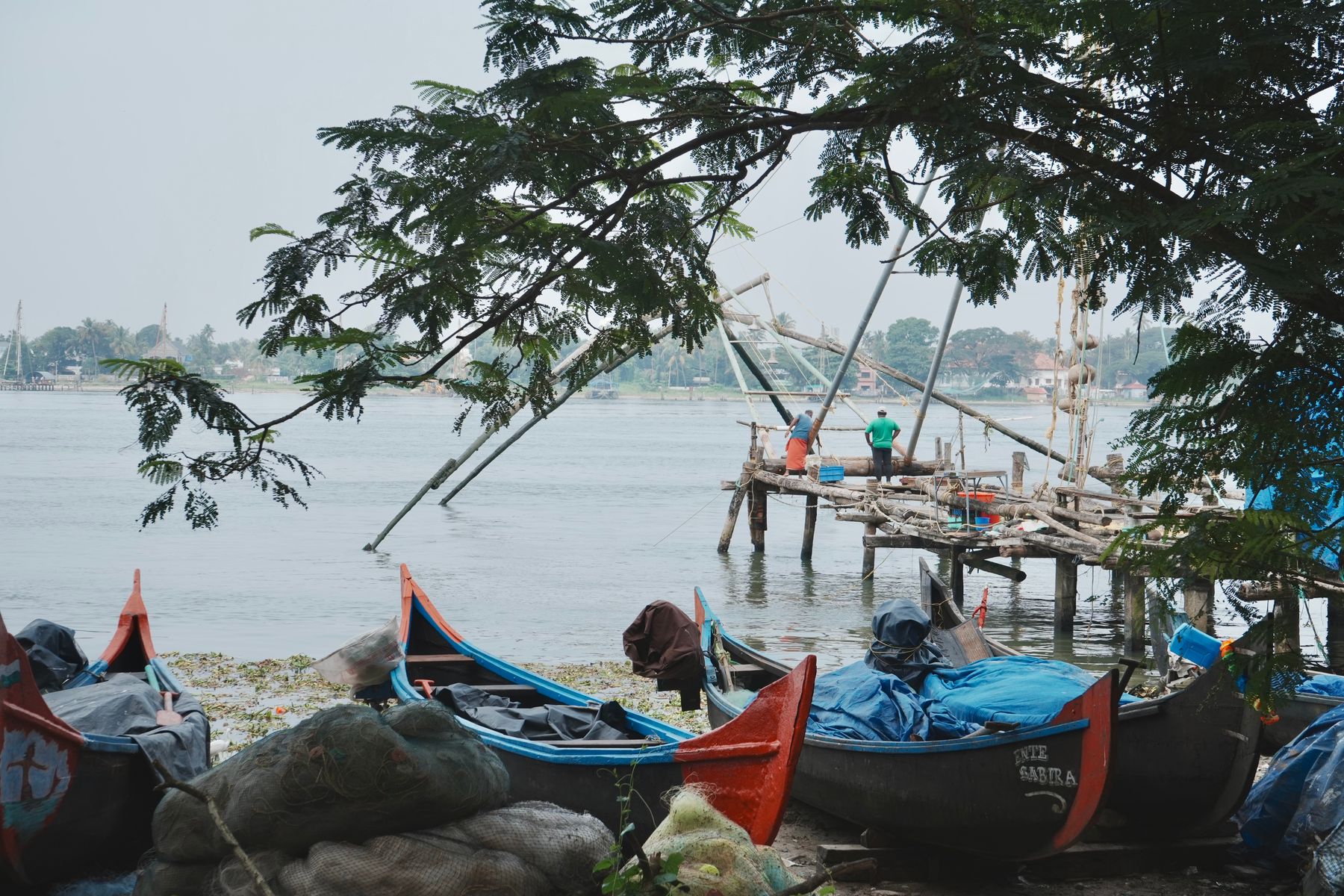
Palms and Casuarinas: The Classic Kochi Shoreline
Walk the promenade at Fort Kochi and the first thing you notice is the coconut palms leaning over the sea wall, their fronds clattering in the monsoon wind. These are the backbone of Kochi's coastal greenery, planted along the beaches and backwaters for centuries. You will also spot casuarina trees, with their needle-like branches, stabilising the sand at Cherai Beach on Vypin Island. The best months to see them at their greenest are June to September, when the southwest monsoon turns the coast lush, though swimming is off-limits then due to rough seas.
For a concentrated dose of coastal trees, head to the beach road at Cherai, about 25 kilometres north of Ernakulam Junction railway station and a 45-minute drive depending on traffic. The casuarina groves here provide shade for walkers and are a favourite with local families at weekends. If you prefer your palms with a side of history, the pathways around St Francis Church in Fort Kochi are lined with older specimens. I would book a hotel in Fort Kochi if you want to walk to these sights, or in Cherai for a quieter, beach-focused stay.
Mangroves and Backwater Edges
Kochi's backwaters are fringed with mangroves, particularly around Vypin, Vallarpadam and the edges of the Vembanad Lake. These salt-tolerant trees, with their stilt-like roots, are crucial for coastal protection and fish breeding. You can see them clearly on a boat trip from the Marine Drive jetty in Ernakulam or by taking the ferry from Fort Kochi to Vypin. The best time for a backwater cruise is November to February, when the weather is dry and the water calm. Avoid the midday heat; early morning departures are cooler and offer better light for photography.
Mangrove walks are not as formalised as in some other countries, but you can explore the edges on foot in places like the Mangalavanam Bird Sanctuary near the High Court in Ernakulam. This small patch of mangrove forest is a haven for birds and is free to enter, though it is closed on certain days. For a more organised experience, responsible tour operators in Fort Kochi run two-hour kayak trips through the mangroves. If you are staying in Ernakulam, the sanctuary is a short auto-rickshaw ride from Marine Drive. I would choose a hotel near Marine Drive for easy access to both the sanctuary and the ferry terminals.
Banyans, Rain Trees and Urban Canopy
Kochi's city streets are shaded by rain trees and banyans, especially in the older neighbourhoods of Mattancherry and Fort Kochi. The rain tree, with its broad canopy, is a common sight along Bazaar Road in Mattancherry, where spice shops sit under its branches. Banyan trees, with their aerial roots, often mark temple grounds and old properties. These trees not only provide shade but also support local wildlife. The best way to appreciate them is on a walking tour; several outfits in Fort Kochi offer guided walks that include the botanical highlights. The post-monsoon months of October and November are ideal, as the trees are still green and the weather is pleasant.
If you are interested in specific species, the Kerala Forest Research Institute in Kochi has a small arboretum, though it is primarily a research facility. For a more accessible option, the Thevara area has several streets lined with old rain trees. Driving yourself is not recommended due to narrow roads and limited parking; instead, hire a local auto-rickshaw for a couple of hours. I would book a hotel in Fort Kochi or Mattancherry to be within walking distance of these tree-lined streets. The area also has numerous homestays and boutique hotels that fit various budgets.
Where to Stay for Coastal Tree Spotting
Your choice of base in Kochi depends on whether you prioritise beach or backwater. Fort Kochi is the most convenient for a mix of heritage, coastal palms and ferry access to Vypin's mangroves. Hotels here range from budget guesthouses to mid-range boutique properties; expect to pay between 2,000 and 6,000 Indian rupees per night for a double room, depending on the season. The area is walkable, but some streets are narrow and lack pavements. The nearest railway station is Ernakulam Junction, about 12 kilometres away, and the airport is 40 kilometres north.
For a quieter stay closer to the casuarina groves, Cherai Beach has a growing number of resorts and homestays. Prices are similar to Fort Kochi, though options are fewer. Cherai is less convenient for city sights but ideal if you want to wake up to the sound of the sea and palm trees. The drive from the airport to Cherai is about 45 minutes. I would recommend Fort Kochi for first-time visitors, as it offers the best balance of accessibility and coastal greenery. Book well in advance if you are travelling during the peak season from December to January.
Where to stay
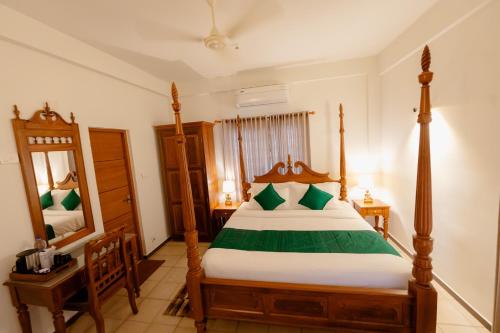
Hotels in Fort Kochi

Good to know
Questions, answered
What are the most common trees along Kochi's coast?
Coconut palms dominate, especially in Fort Kochi and Cherai. Casuarina trees stabilise the sand at Cherai Beach, while mangroves fringe the backwaters around Vypin and Vallarpadam. Rain trees and banyans shade the streets of Mattancherry and Fort Kochi.
Where can I see mangroves in Kochi?
The Mangalavanam Bird Sanctuary near the High Court in Ernakulam is a small but accessible mangrove patch. For a broader experience, take a ferry from Fort Kochi to Vypin or join a backwater cruise from Marine Drive; both offer views of mangrove-lined shores.
What is the best time of year to visit Kochi for coastal trees?
The post-monsoon months from October to February are ideal: the trees are green, the weather is dry and comfortable, and boat trips are pleasant. Avoid the monsoon months of June to August if you want to spend time on the beach, as seas are rough.
Are there guided walks that focus on Kochi's trees?
Yes, several operators in Fort Kochi run heritage walks that include information about local flora, including rain trees and banyans. These walks typically last two to three hours and cost around 500 to 1,000 rupees per person. Book in advance during peak season.
Which area is best to stay for easy access to Cherai Beach and its casuarina groves?
Cherai Beach itself has a range of homestays and resorts, but for more choice, stay in Fort Kochi and drive or take a bus to Cherai. The journey takes about 45 minutes to an hour. Fort Kochi also offers more dining and sightseeing options.
How do I get to Fort Kochi from the airport?
Cochin International Airport is about 40 kilometres from Fort Kochi. A pre-paid taxi costs roughly 800 to 1,200 rupees and takes 1 to 1.5 hours, depending on traffic. App-based cabs are also available but may not be allowed to enter the airport premises; check with your hotel.
Can I visit the Mangalavanam Bird Sanctuary without a guide?
Yes, the sanctuary is open to the public, though it may be closed on certain days. It is a small area, and you can walk through on your own. There is no entry fee. It is best visited early morning when birds are active. Check local timings before you go.
What should I pack for exploring Kochi's coastal areas?
Light, breathable clothing, a hat, sunscreen and insect repellent are essential. Wear comfortable walking shoes for uneven paths. During the monsoon, carry a raincoat or umbrella. Binoculars are useful for birdwatching in mangrove areas.
Doing good is the business
Every booking in Kochi removes one tonne of CO₂
Same hotel, same room, same live price you would pay anywhere else — IMPT funds one verified tonne of carbon removal per stay, never added to your bill.