Fort Kochi and the Western Shore
The strongest breeze in the city runs along the western edge of Fort Kochi, where the Arabian Sea meets the harbour mouth. Walk the beach road past the Chinese fishing nets between roughly 13:00 and 16:00, when the sea wind picks up and the shade of the casuarina trees along Vasco da Gama Square becomes genuinely comfortable. The old Dutch and Portuguese lanes behind the waterfront stay hotter because the buildings block the flow; step out to the promenade whenever the heat builds. February to May is the hottest stretch, with April the muggiest month before the June monsoon arrives, so plan your outdoor hours early and late and keep the middle of the day for the waterfront.
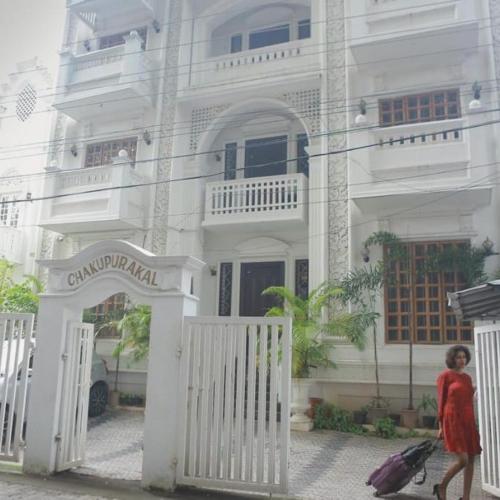
Heritage properties set back from the water, especially around Princess Street and Rose Street, are charming but noticeably stiller than anything facing the sea. If you want the breeze to do the work of cooling your room, ask for an upper floor with a sea-facing balcony rather than a courtyard room. Ground-floor rooms in older buildings stay cool through thick walls but get little air movement. Fans plus a sea-facing window beat air conditioning in the late afternoon, and the price difference between an interior room and a sea-facing one is usually modest in Fort Kochi's guesthouse range. Book the sea-facing room.
Marine Drive and Willingdon Island
Marine Drive, the long promenade along the backwaters in Ernakulam, catches a good evening breeze but little before 15:00. The walk runs from the Rainbow Bridge footbridge south past the boat jetties, and the open water to the west lets the wind come across unbroken. Locals arrive after about 16:30 with children and snacks; before that the granite paving radiates heat. The difference between Marine Drive and a shaded street two blocks inland is striking, which is why it fills up every evening. If you are staying in Ernakulam rather than Fort Kochi, this stretch and Subhash Park are your best free cooling options.
Willingdon Island, the artificial island between the two, gets excellent cross-breezes because almost nothing blocks the wind off the harbour. It hosts the port, the naval base and several large hotels, and it is quiet, green and breezy in a way that central Ernakulam is not. The trade-off is that you need a taxi or auto-rickshaw for everything, and the island empties out after dark. For a hot-weather stay with air movement and a pool, an island hotel is a reasonable base. For atmosphere and walkability you are better off in Fort Kochi. Between the two, I would book Fort Kochi for a first visit.
The Backwaters and the Inland Side
Kochi's inland neighbourhoods — Ernakulam's centre, Kaloor, Vyttila, Edappally — lose the sea breeze almost entirely in the afternoon. They are hotter, dustier and louder, and the difference of a few kilometres makes a real difference from about 13:00 to 17:00. If you are in the city for a hospital visit, a conference at the Jawaharlal Nehru International Stadium or a wedding, you will likely be based inland; then the answer is shade, a pool and patience, with a taxi to Marine Drive in the evening. Fort Kochi is roughly eight kilometres from Ernakulam's centre and takes 25 to 40 minutes by road depending on traffic on the bridges.
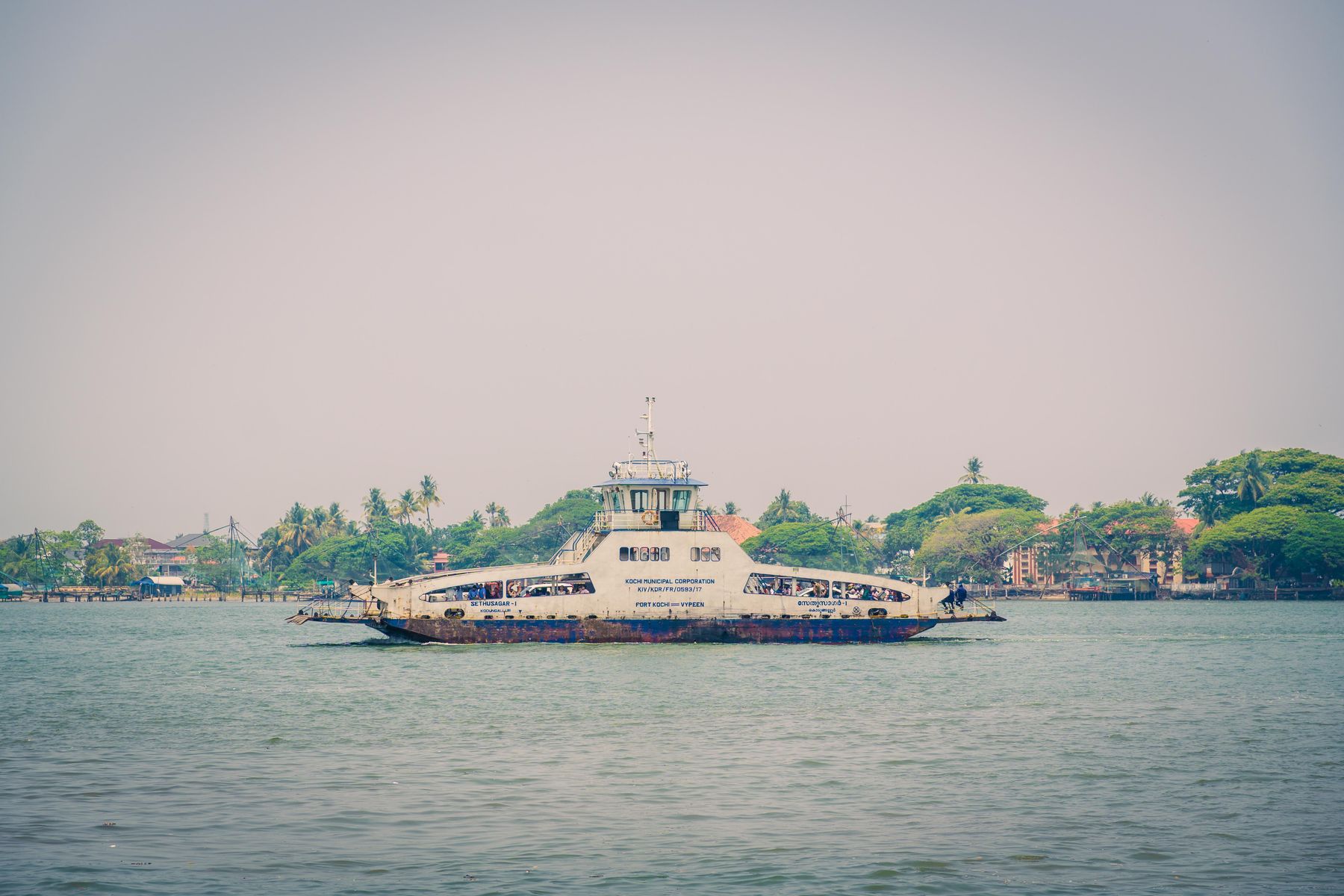
The Vembanad backwaters south of the city cool the air after sunset rather than during the day. Cherai Beach, around 25 kilometres north of Ernakulam on Vypin Island, has the strongest afternoon sea wind of anywhere near Kochi and is the obvious choice for a beach day, though it is a side trip rather than a base for city sightseeing. North of the city, the ferry crossings from Ernakulam to Vypin are themselves breezy and cheap. For backwater cruising, the Alappuzha houseboats depart from further south; from Kochi that is a day trip worth doing, but it is not a place to look for afternoon wind.
When to Go and How to Choose
The most comfortable months in Kochi are December, January and February, when humidity drops and the sea breeze feels fresh rather than sticky. March heats up and April and May are the Muggiest, before the monsoon breaks around the first week of June and runs to September. The monsoon brings its own wind, constant and cool, plus heavy rain; hotel rates fall and the city is green and dramatic. October and November are a shoulder season with post-monsoon showers. If breeze is your priority, visit between December and February and stay within a few hundred metres of the water.
For a hotel booking, put Fort Kochi at the top of your list: the seafront lanes, the ferry to Ernakulam and the walkability all suit a hot-weather trip, and sea-facing rooms cost more but deliver. Second choice is Marine Drive in Ernakulam, convenient for the airport bus, the railway station and the metro, with a decent evening breeze. Book a Willingdon Island hotel only if you want quiet and a pool and do not mind taxis. Skip inland Kaloor and Edappally unless you have a specific reason to be there; the heat is real and the breeze does not reach. For airport arrivals at Cochin International, allow 45 to 75 minutes to Fort Kochi by road.
Where to stay
Hotels in Fort Kochi


Good to know
Questions, answered
Which part of Kochi is coolest in the afternoon?
The western seafront of Fort Kochi and the Willingdon Island shoreline get the most reliable afternoon sea wind. Marine Drive in Ernakulam is good from about 16:30 but hot before then. Inland areas like Kaloor and Edappally stay noticeably hotter throughout the day.
What time does the sea breeze arrive in Fort Kochi?
It typically strengthens from early afternoon, roughly 13:00 to 16:00, and continues into the evening. Mornings are calmer and muggier. If you are sightseeing on foot, use the morning for inland lanes and save the waterfront for the afternoon.
Is Cherai Beach worth a day trip from Kochi?
Yes, for the strongest sea breeze near the city. It is about 25 kilometres north of Ernakulam on Vypin Island, reachable by road or by ferry and bus. Go for the afternoon, but keep your hotel in Fort Kochi or Ernakulam rather than moving base for one beach day.
Should I book a sea-facing room in Fort Kochi?
Yes if breeze matters to you. Upper floors with sea-facing balconies catch far more air than courtyard or ground-floor rooms, and the price difference is usually small in the guesthouse range. Heritage rooms set back from the water are atmospheric but noticeably stiller.
How far is Fort Kochi from Ernakulam and the airport?
Fort Kochi is about eight kilometres from Ernakulam's centre, 25 to 40 minutes by road. Cochin International Airport is around 45 to 75 minutes away depending on traffic. The public ferry between Fort Kochi and Ernakulam is cheaper and breezier than a taxi.
When is the best month to visit Kochi for comfortable weather?
December to February is the most comfortable, with lower humidity and a fresh sea breeze. March and April get hot and muggy, and the monsoon runs from about June to September, bringing constant wind and heavy rain but lower hotel rates.
Would Willingdon Island be a good place to stay?
It is quiet and breezy, with several large hotels and pools, and the cross-winds off the harbour are excellent. The catch is that you need a taxi for everything and the island is very quiet after dark. Fort Kochi is better for a first visit.
Do I need air conditioning in a Kochi hotel?
For most travellers between March and May, yes. From December to February, a sea-facing room with a fan and open windows can be comfortable. If you book inland, treat air conditioning as essential rather than optional, since the breeze does not reach those neighbourhoods.
Doing good is the business
Every booking in Kochi removes one tonne of CO₂
Same hotel, same room, same live price you would pay anywhere else — IMPT funds one verified tonne of carbon removal per stay, never added to your bill.