Why the Jetties Work
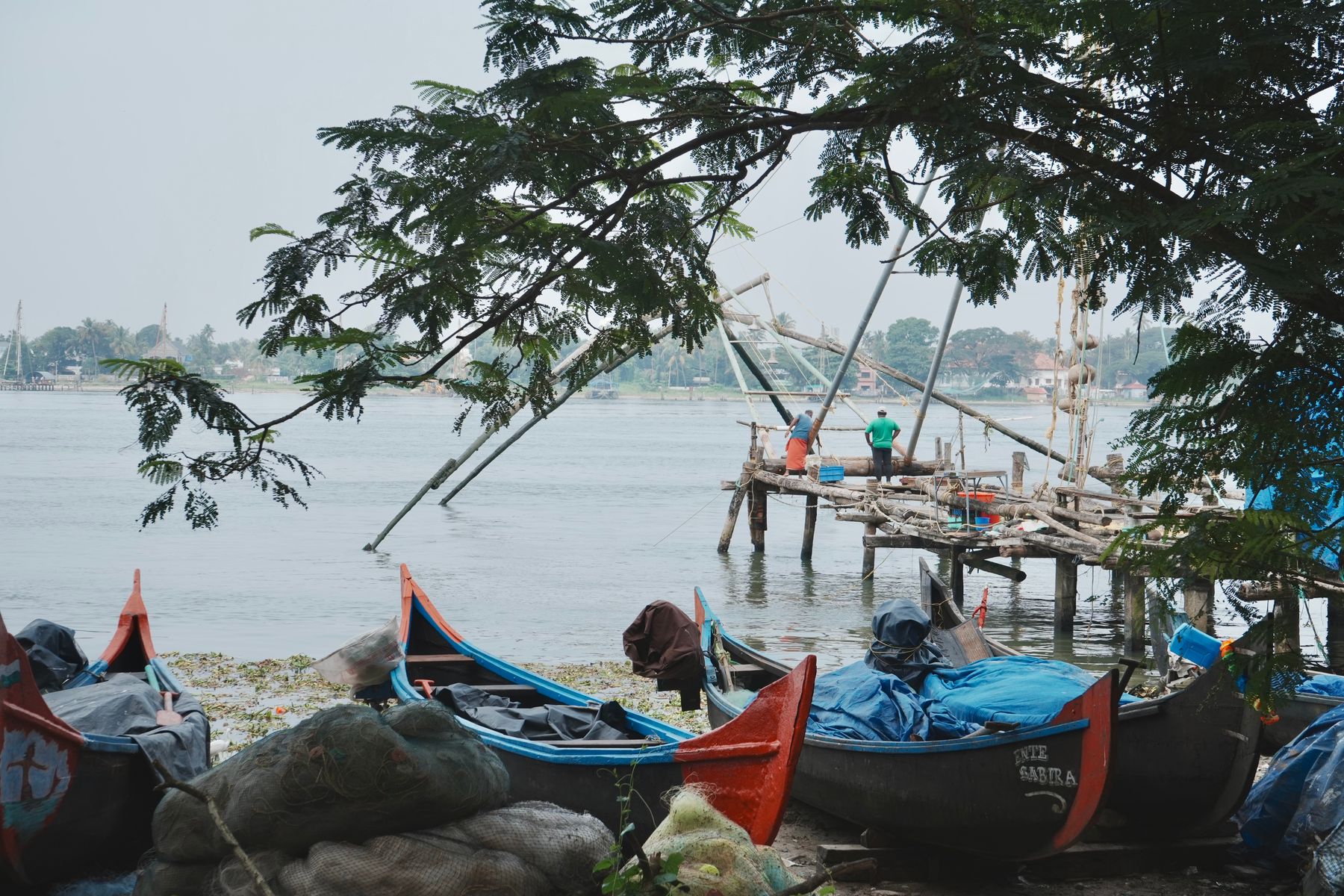
Kochi's backwater edges are tidal, shallow, and busy with small fish, which is exactly why herons, egrets, and kingfishers treat the ferry terminals as a feeding station. The Ernakulam Main Jetty near Marine Drive and the Vyttila and Thevara jetties see less footfall at first light, so you can stand at the rail with binoculars and watch a white-throated kingfisher work the mooring ropes. The boats themselves flush birds as they come in, so scan the water twenty metres out from the pier rather than only the shore.
The jetties are public infrastructure, not reserves, so there are no gates, fees, or opening hours to plan around. That also means you share space with commuters. Weekday mornings between 6:30 and 8:30 are quietest; after 9:00 the Ernakulam jetty fills with office-goers and the bird activity drops. Bring a cap, water, and closed shoes, and keep your bag close on the crowded ramps. The best months are November to February, when winter migrants join the residents and the humidity is lower.
Which Jetty, Which Birds
The Ernakulam Main Jetty and the adjacent High Court Jetty give you close views of little cormorants drying on the pilings and black-crowned night herons hunched in the shade of the terminal roof. Cross to the Willingdon Island jetties and the water opens up; here you get lesser whistling ducks in the quieter inlets and occasional terns over the channel. The Vyttila jetty on the Champakara canal is scruffier but productive for storks and egrets, especially where the canal meets the wider backwater.
For a half-day, I would take the early boat from Ernakulam Main Jetty to Vypin and bird from the terminal at Vypin before the first commuter rush. The boat ride itself is a moving hide: watch for pied kingfishers hovering over the channel and brahminy kites on the coconut palms. The Thevara jetty near the Cochin Shipyard yard is less scenic but reliable for waders at low tide. Skip the Mattancherry jetty at midday; it is hot, crowded, and the birdlife is thin until evening.
Timing, Tides, and Practicalities
Tide matters more than time of day. Two hours either side of low tide exposes the mudflats near the Vypin and Thevara jetties, and that is when you see sandpipers, plovers, and egrets feeding in the open. Check a local tide table the night before; a high tide pushes birds into the mangroves and you will see far less. The southwest monsoon from June to August brings heavy rain and rough water, so stick to the sheltered Ernakulam jetty and carry a dry bag for binoculars.
There is no entry fee at any of these jetties, and the ferry fares are modest; keep small change for the ticket counter. Binoculars of 8x42 are plenty; a spotting scope is overkill on a crowded pier. Do not block the gangway, and never step onto the mooring bollards. If you want a sit-down breakfast after, the tea shops along Marine Drive open by 7:00. For a hotel, I would book in Ernakulam near Marine Drive or Fort Kochi if you prefer heritage streets; both put you within a short auto-rickshaw ride of the main jetties.
Where to Stay and What to Skip
Ernakulam's Marine Drive area is the practical base: you can walk to the Main Jetty in ten minutes, and the broadwalk is safe and lit early. Fort Kochi, across the water, is prettier but adds a ferry ride or a 45-minute drive via the bridges to reach the Ernakulam jetties. Mid-range hotels in Ernakulam cluster around M.G. Road and Marine Drive; peak season is December and January, when rates rise, so book two to three weeks ahead. The Vyttila area is cheaper but less pleasant for early starts.
Skip the organised backwater cruises if your goal is birds; the big boats are noisy and timed for sightseeing, not wildlife. Also skip the jetties after dark, when lighting is poor and the birdlife is gone. The Thevara jetty is worth one visit but not a second; the Vypin terminal is better for a morning. If you have a full day, combine an early jetty session with a walk in the Mangalavanam Bird Sanctuary near the High Court, which opens at 8:00 and has a small entry fee.
Related articles
Where to stay
Hotels in Vypin
Good to know
Questions, answered
Do I need a permit to watch birds from Kochi's ferry jetties?
No. The jetties are public transport terminals and you can stand on the passenger areas without a permit. Stay clear of the boat mooring zones and follow any instructions from ferry staff. There is no entry fee at the jetties themselves.
What is the best time of year for birdwatching at the jetties?
November to February is best, when winter migrants arrive and the weather is drier. Early morning from 6:30 to 8:30 is the most active window. Avoid the heavy monsoon months of June to August, when rain and choppy water limit visibility and comfort.
Which jetty should I start with?
Start at Ernakulam Main Jetty on Marine Drive. It is central, easy to reach, and has reliable views of cormorants, egrets, and kingfishers. From there, take the short ferry to Vypin for a wider channel view and more open water.
Are the ferries safe and frequent?
The public ferries are a regular commuter service and run frequently on the main routes. Hold the handrail on the ramps, keep your bag in front of you, and avoid the edge of the pier. Fares are low; carry small change for the ticket counter.
What birds will I actually see from the jetties?
Common sightings include little cormorants, white-throated kingfishers, black-crowned night herons, lesser whistling ducks, egrets, and brahminy kites. At low tide on the Vypin and Thevara routes you may see sandpipers and plovers on the exposed mudflats.
Where should I stay to be near the jetties?
Ernakulam near Marine Drive is the most convenient, with a ten-minute walk to the Main Jetty. Fort Kochi is scenic but adds a ferry or a 45-minute drive to reach the Ernakulam jetties. Book two to three weeks ahead for December and January.
What should I bring for a jetty birdwatching session?
Bring 8x42 binoculars, a cap, water, and closed shoes. A light rain jacket helps in shoulder months. Do not bring a spotting scope for a crowded pier; it is unnecessary and takes up space. Keep a small note of the tide times.
Can I combine jetty birdwatching with other Kochi sights?
Yes. After a morning at the jetty, walk to Mangalavanam Bird Sanctuary near the High Court, which opens at 8:00 and charges a small entry fee. In the afternoon, the Mattancherry and Fort Kochi heritage streets are a short ferry ride away.
Doing good is the business
Every booking in Kochi removes one tonne of CO₂
Same hotel, same room, same live price you would pay anywhere else — IMPT funds one verified tonne of carbon removal per stay, never added to your bill.